


ANSI/ISEA Z89.1-2026: WHAT YOU NEED TO KNOW
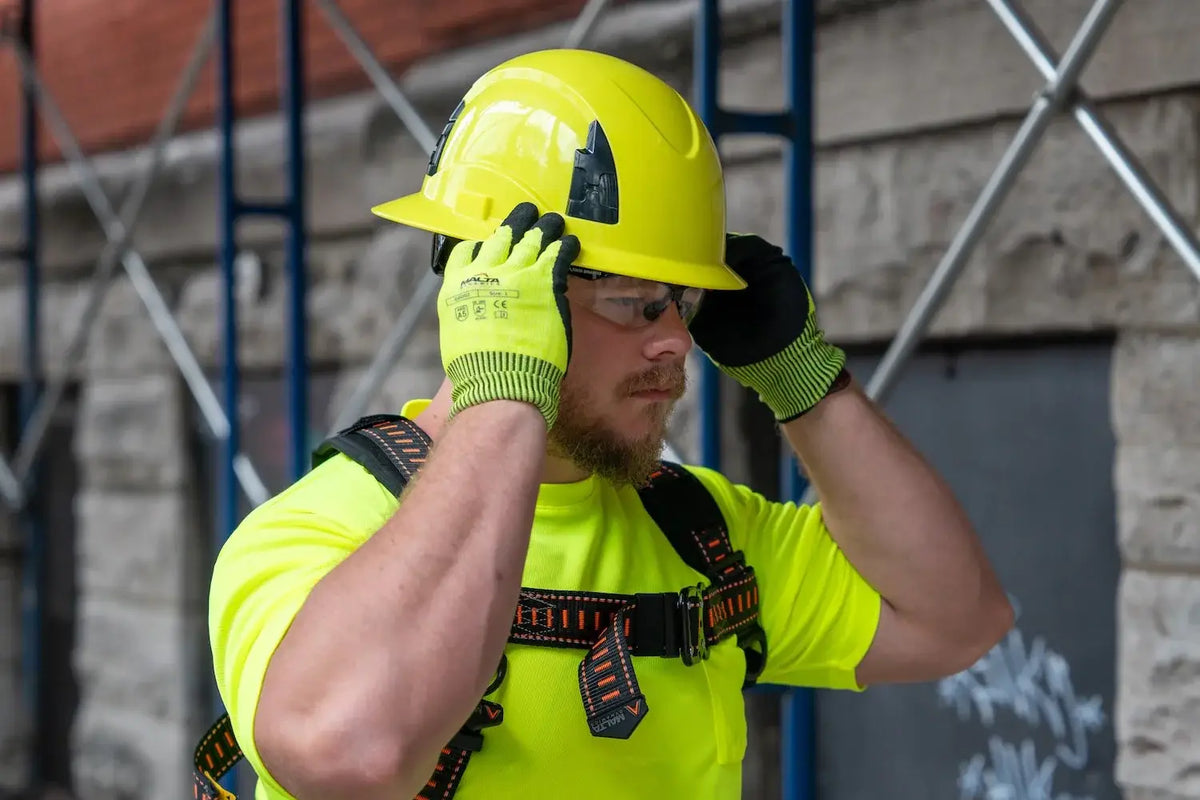
The updated head protection standard introduces Type I+ and Type II+ designations while retaining the familiar Type I and Type II classifications. Here’s what changed, what it means for the helmets you use today, and how Malta Dynamics is preparing.
WHAT’S NEW — AND WHAT STAYS THE SAME
WHAT’S NEW: The “+” designations identify head protection tested to additional requirements for chinstrap performance and helmet retention. Type I+ also adds front, rear, and side off-center impact testing.
WHAT STAYS THE SAME: Type I and Type II remain part of the standard, as do the electrical Classes C, G, and E. The update does not make current compliant head protection obsolete.
UNDERSTANDING THE FOUR CLASSIFICATIONS
A helmet’s Type describes the impact and penetration requirements it meets. The new “+” designation adds requirements that include a manufacturer-supplied chinstrap and testing of how effectively the helmet stays on the head, commonly called a roll-off test.

Type I+ and Type II are tested to different requirements, so selecting between them should start with the hazards of the work. Adding a chinstrap to an existing helmet does not change its marked classification to “+”.
WHY HELMET RETENTION MATTERS
A helmet must stay in place to provide its intended protection. Retention can be especially relevant for workers who climb, move frequently, work in awkward positions, or face conditions where a helmet could shift or come off.
Under the new “+” requirements, the manufacturer-supplied chinstrap must pass the applicable test. The helmet must also pass a roll-off test that evaluates whether it stays on a test headform. Workers should fit, adjust, and use the chinstrap according to the manufacturer’s instructions.
ELECTRICAL CLASS IS A SEPARATE RATING
A helmet’s electrical Class is separate from its impact Type. ANSI/ISEA Z89.1-2026 retains three electrical Classes:
- Class C: Provides no protection against electrical hazards and does not undergo an electrical insulation test.
- Class G: Reduces the danger of contact with low-voltage conductors. Tested to withstand 2,200 volts AC for one minute.
- Class E: Reduces the danger of contact with higher-voltage conductors. Tested to withstand 20,000 volts AC for three minutes and to resist burn-through during a separate 30,000-volt test.
These voltages are laboratory test requirements, not safe working voltage limits. Select the helmet’s electrical Class based on the job’s hazards, applicable work practices, and the manufacturer’s instructions. A Type II+ helmet, for example, is not automatically suitable for electrical work.
MALTA DYNAMICS SUPPORTS THE UPDATE
Malta Dynamics is a supporting and voting member of ISEA’s Head Protection Product Group. We strongly support ANSI/ISEA Z89.1-2026 and are glad to see the standard advance alongside helmet technology and changing work conditions.
Our head protection has been tested to EN 12492. That experience gives us a strong starting point as we work through the updated ANSI/ISEA requirements for impact performance and helmet retention. EN 12492 and ANSI/ISEA Z89.1-2026 are separate standards, however. Testing to EN 12492 does not automatically establish a Z89.1-2026 classification.
WHAT HAPPENS NEXT FOR OUR HELMETS?
1. TESTING
We are already testing our head protection to ANSI/ISEA Z89.1-2026 at an independent ISO/IEC 17025 accredited laboratory.
2. MODEL-SPECIFIC CLASSIFICATION
Once testing is complete, we will update the classification, markings, and documentation of qualifying products. We will clearly communicate which classification applies to each model.
3. ROLLING TRANSITION
Changes will roll out model by model to help customers plan purchases and understand what they are receiving throughout the transition.
Our primary focus is Type II and Type II+, with the goal of bringing Type II+ models to market. We will share updates as each model completes testing.
DO CURRENT HELMETS NEED TO BE REPLACED?
No. The release of ANSI/ISEA Z89.1-2026 does not make existing head protection unsafe or require it to be discarded. Helmets that meet a previous applicable edition can still satisfy OSHA’s head protection requirements when they are appropriate for the hazards of the job. OSHA’s current regulations reference earlier editions of ANSI Z89.1 and do not require every worker to switch to Type II or Type II+.
Continue to inspect and use current helmets according to the manufacturer’s instructions and your employer’s safety program. Replace a helmet when its condition, service history, manufacturer’s instructions, or workplace requirements call for replacement.
BUILD A PLAN FOR YOUR WORKSITE
Choosing head protection starts with the hazards workers face. As you review your current helmets and plan future purchases, consider:
- Impact direction: Could workers be struck from above, from the side, or in another way addressed by the available classifications?
- Helmet retention: Could climbing, movement, or the work position cause a helmet to shift or come off?
- Electrical exposure: Which electrical Class is appropriate for the task?
- Accessories: Are accessories and replacement components compatible with the helmet?
- Worker use: Are workers trained to fit, adjust, inspect, and wear the helmet and chinstrap as instructed?
Use that assessment to create a purchasing and replacement plan that fits your work conditions. As Malta Dynamics models complete testing, we will provide the classification details needed to make informed decisions.

