
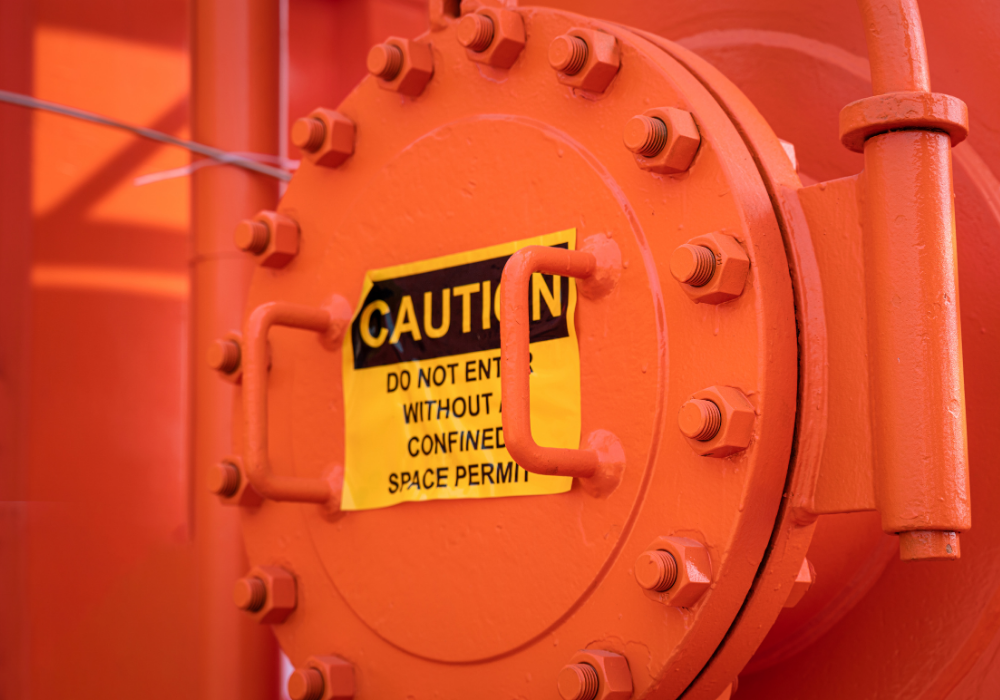
Confined spaces present some of the most dangerous conditions in the workplace. With hazards like toxic gases, limited oxygen, and restricted movement, crews must be prepared for the worst-case scenario: a confined space rescue. Compliance standards require every employer to have a rescue plan in place before work begins, but a plan alone isn’t enough. Successful space rescue operations depend on proper training, reliable rescue equipment, and a rescue team that knows exactly what to do when every second counts.
At Malta Dynamics, we’re committed to helping crews stay compliant and confident in their ability to protect their people. In this blog, we break down the essential rescue procedures of confined space rescue – so you can prepare your team to respond safely and effectively.
Why Confined Space Rescue Requires a Plan
Every confined space presents unique space hazards—and when an emergency situation strikes, there’s no time to improvise. According to OSHA’s Permit-Required Confined Spaces standard (29 CFR 1910.146 and 1926.1211), employers are required to develop and implement a confined space rescue plan before any worker enters a confined space. These plans must include trained rescue personnel, appropriate retrieval systems, and emergency procedures to respond quickly in the event of an incident.
The ANSI/ASSP Z117.1-2022 standard goes even further, setting performance requirements for hazard evaluations, safe space entry practices, and rescue operations. While ANSI standards are voluntary, they are widely recognized as best practices for keeping workers safe and ensuring occupational safety.
What makes confined space rescue so challenging?
- Atmospheric hazards: Low oxygen levels or toxic substances can incapacitate workers in seconds.
- Engulfment dangers: Loose materials like sand, grain, or liquids can surround and trap a worker.
- Limited access: Small exit points make it difficult to extract an unconscious or injured person.
Without a rescue plan, rescuers themselves can quickly become victims. In fact, OSHA reports that over 60% of confined space fatalities involve would-be rescuers who entered without proper training or safety equipment.
To meet OSHA and ANSI requirements for serious safety, employers must:
- Pre-qualify rescue teams to ensure they have the skills, rescue equipment, and response times needed
- Provide retrieval systems for all entrants, including full-body harnesses and lifelines
- Use mechanical retrieval devices for vertical permit spaces deeper than 5 feet
- Conduct annual practice rescues in realistic conditions to maintain proficiency
- Follow ANSI Z117.1-2022 guidelines for entry permits, atmospheric monitoring, ventilation, and documented on-site rescue procedures.
A proactive rescue plan isn’t just about compliance – it’s about protecting lives and ensuring workplace safety. And the time to build one is before anyone enters the space.
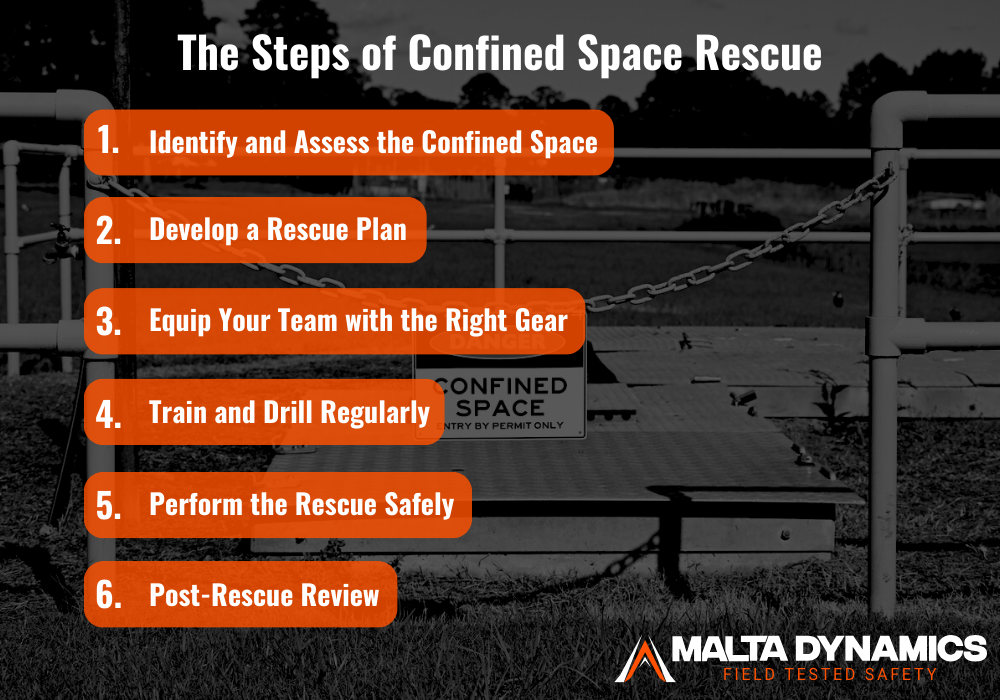
Step 1: Identify and Assess the Confined Space
Before crew members enter a confined space, it’s critical to identify the type of space and assess the potential hazards involved. OSHA defines a confined space as an area large enough for a worker to enter, with limited means of entry or exit, and not designed for continuous occupancy. Certain spaces are classified as Permit-Required Confined Spaces (PRCS) because they contain additional space hazards such as:
- Hazardous atmospheres (oxygen deficiency, flammable or toxic gases).
- Potential for engulfment (hazardous materials that could surround and trap a worker).
- Internal configurations that could trap or asphyxiate entrants (sloping walls or narrow passages).
Compliance Requirements:
- Under OSHA standards, employers must evaluate all confined spaces in their workplace to determine if they are permit-required.
- Entry permits must be completed and posted for PRCS work, including details about hazards, atmospheric monitoring results, emergency procedures, and authorized personnel.
- ANSI/ASSP Z117.1-2022 emphasizes the importance of a thorough pre-entry risk assessment and requires documentation of all findings as part of the entry plan.
Key Actions for Crews:
- Conduct atmospheric monitoring using calibrated monitors to detect oxygen levels, flammable gases, and toxic vapors.
- Assess structural risks like poor ventilation, limited access, or unstable materials.
- Determine whether a non-entry rescue system is practical.
Taking the time to properly classify and assess a confined space is the foundation of a safe and compliant rescue strategy.
Step 2: Develop a Rescue Plan
Once the confined space is identified and assessed, the next step is building a confined space rescue plan the crew can execute with confidence. In an emergency situation, every second matters – and a well-structured plan eliminates confusion and ensures a fast, safe emergency response.
What should your rescue plan include?
Assign Clear Roles
- Entrant: The worker entering the space.
- Attendant: Stays outside to monitor conditions and call for help if needed.
- Entry supervisor: Verifies safety measures before anyone enters.
- Rescue team: Internal or external emergency responders ready to act.
Choose the Right Rescue Approach
Whenever possible, use non-entry rescue methods – like a tripod and winch system – to remove a worker without sending anyone else into the hazard zone.
If entry rescue is necessary, ensure your team is fully trained and equipped with proper personal protective equipment.
Plan for Emergency Services
Don’t assume 911 is enough. Confirm local emergency services are prepared for confined space rescue and factor their response time into your plan.
A rescue plan isn’t something you figure out in the moment. It needs to be in place before space work begins, reinforced through regular reviews, and practiced until every team member can execute it with confidence in a timely manner. At Malta Dynamics, we know that preparation and the right safety equipment are the difference between a close call and a safe outcome.
Step 3: Equip Your Team with the Right Gear
When it comes to space rescue operations, the right rescue equipment isn’t optional—it’s lifesaving. Your team needs tools they can trust to work flawlessly in high-pressure emergency situations.
Essential Rescue Equipment Includes:
- Tripods and Winches: For vertical entries, a tripod paired with a mechanical winch allows you to quickly and safely lift a worker out of a space without sending additional personnel inside.
- Full-Body Harnesses: Every entrant should wear a properly fitted harness connected to a retrieval system for fall protection.
- Gas Detectors and Ventilation: Monitoring and managing air quality ensures rescuers and entrants aren’t exposed to hazardous atmospheres.
- Self-Contained Breathing Apparatus: For spaces with toxic gases or oxygen deficiency, SCBA provides critical respiratory protection.
- Communication Devices: Hands-free radios keep team members connected throughout the rescue operation.

At Malta Dynamics, we’ve designed our confined space solutions – including tripods, winches, and harnesses – to perform in the real world. These are the same tools crews rely on every day to keep their teams safe during space emergencies.
Having the safety equipment is only half the equation. Your team also needs to know how to use it properly and confidently before an emergency ever occurs.
Step 4: Train and Drill Regularly
Even the best rescue plan and rescue equipment won’t save lives if your rescue team isn’t prepared to use them. In a confined space emergency, panic can set in fast. The only way to ensure a calm, coordinated emergency response is through consistent, hands-on training in safety procedures.
What Training Should Include:
- Rescue Procedures: Teach every team member their role during a rescue operation – from monitoring atmospheric conditions to operating retrieval systems.
- Equipment Use: Practice setting up and using tripods, winches, harnesses, and gas monitors so it becomes second nature.
- Mock Rescue Drills: Simulate real-world space emergencies to test your procedure and identify areas for improvement.
Regular drills help build confidence and muscle memory, allowing your rescue team to act quickly and effectively when seconds matter most.
At Malta Dynamics, we believe workplace safety isn’t just about having the right rescue equipment—it’s about knowing how to use it when it counts.
Step 5: Perform the Rescue Safely
When an emergency happens in a confined space, every move counts. The goal is to rescue the worker quickly while keeping the rest of the rescue team safe. Rushing in without a clear procedure can turn one victim into many.
Key Principles for Safe Rescue:
- Stay Alert to Hazards: Continuously monitor air quality and reassess the space as conditions can change rapidly during rescue operations.
- Use Retrieval Systems First: Whenever possible, use non-entry rescue techniques to avoid putting additional workers at risk.
- Communicate Clearly: Ensure the entire rescue team understands the rescue plan and maintains contact throughout the operation.
- Act Quickly, but Deliberately: Follow the procedure step by step to avoid mistakes that could delay the rescue or create new potential hazards.
With a trained rescue team and the right safety equipment, a confined space rescue can be carried out efficiently – without putting more lives in danger.
Step 6: Post-Rescue Review
After the rescue operation, the work isn’t over. Take time to review the operation and identify what worked well and where improvements can be made. These insights are critical for strengthening your team’s emergency response for future space emergencies.
Post-Rescue Actions to Take:
- Debrief the Team: Gather everyone involved to discuss the rescue. Document successes, challenges, and any deviations from the rescue plan.
- Inspect and Service Equipment: Clean, inspect, and service all rescue equipment used during the rescue to ensure it’s ready for the next operation.
- Update the Rescue Plan: Adjust emergency procedures and training based on lessons learned to address gaps or improve efficiency.
Space rescue operations are high-stakes events, but they can also be valuable learning opportunities. By taking a proactive approach to best practices, you’ll make your rescue team stronger and better prepared every time they step into a confined space.
Malta Dynamics: Your Confined Space Safety Partner
Confined space work demands precision, preparation, and rescue equipment crews can trust. At Malta Dynamics, we build confined space solutions designed for the realities of the job site.
Our tripods, winches, and full-body harnesses are engineered for durability and ease of use in high-stakes environments requiring serious safety measures. Every product is Field Tested. Field Approved. to give your rescue team the confidence they need to perform safely and efficiently.
When lives are on the line in space rescue operations, there’s no room for compromise. Make sure your crew has the tools and training they need to handle any confined space emergency.
Explore Malta Dynamics confined space solutions and get your team rescue-ready. Learn More »
